Web design has come a long way since the static, text-heavy pages of the 1990s. From simple HTML layouts to immersive, interactive experiences, the evolution of web design reflects not only technological advancements but also shifts in user expectations, business needs, and design philosophy. Today, web design stands at an exciting crossroads — where creativity meets AI, performance meets personality, and function merges seamlessly with form.
In this article, we’ll explore how web design has evolved over the years, the major trends shaping the industry today, and what the future might hold for the next generation of digital experiences.
1. The Early Days — Simplicity and Function Over Form
In the early internet era of the 1990s, websites were primarily informational. They used basic HTML and often featured plain backgrounds, minimal graphics, and limited color schemes. Designers were constrained by slow internet speeds, limited browser support, and low-resolution screens.
The design philosophy was simple: if it worked, it was good enough. Websites like Yahoo!, MSN, and early Google focused purely on usability — fast loading times, clear navigation, and simple layouts.
However, as technology advanced, so did users’ expectations. People wanted more visual appeal and richer experiences.
2. The 2000s — Flash, Gradients, and the Rise of Interaction
The early 2000s marked a turning point. Flash brought animations, video, and interactivity to the web. Designers suddenly had creative freedom to experiment with dynamic menus, splash screens, and motion effects. Websites became visual playgrounds that wowed users — though often at the expense of performance and accessibility.
At the same time, CSS became widely adopted, separating content from design and allowing for more sophisticated page layouts. Web design began to take shape as a profession, not just a technical skill.
However, Flash eventually fell out of favor due to security concerns, lack of mobile support, and SEO limitations. The industry started moving toward lighter, more accessible technologies — setting the stage for a new era.
3. The 2010s — The Age of Minimalism and Responsiveness
The rise of smartphones changed everything. Designers had to think beyond desktops. Responsive web design, introduced by Ethan Marcotte in 2010, became the new standard. It allowed websites to automatically adjust their layout and content based on the screen size.
At the same time, design aesthetics began favoring minimalism, inspired by flat design from Microsoft and Google’s Material Design philosophy. Gone were the days of skeuomorphic buttons and heavy textures — replaced by clean layouts, simple icons, and intuitive navigation.
This era prioritized:
- Fast load times
- Mobile-first design
- Clean typography
- Accessibility and usability
The web became not only beautiful but also more functional and user-centered.
4. The 2020s — Immersive Experiences, Personalization, and AI
In recent years, web design has matured into a balance between aesthetics and performance. With the advent of faster internet, powerful browsers, and AI-driven tools, the boundaries between design and technology have blurred.
Some of the major trends defining today’s web design landscape include:
a. Dark Mode and Neumorphism
Dark themes have become a staple across websites and apps, not just for aesthetics but also for energy efficiency and user comfort. Neumorphism — with its soft shadows and tactile feel — briefly emerged as a modern reinterpretation of skeuomorphism.
b. Microinteractions and Motion UI
Animations and subtle motion effects now enhance usability and engagement. Hover effects, loading indicators, and scrolling animations help guide users through a journey rather than a static page.
c. AI-Driven Design Tools
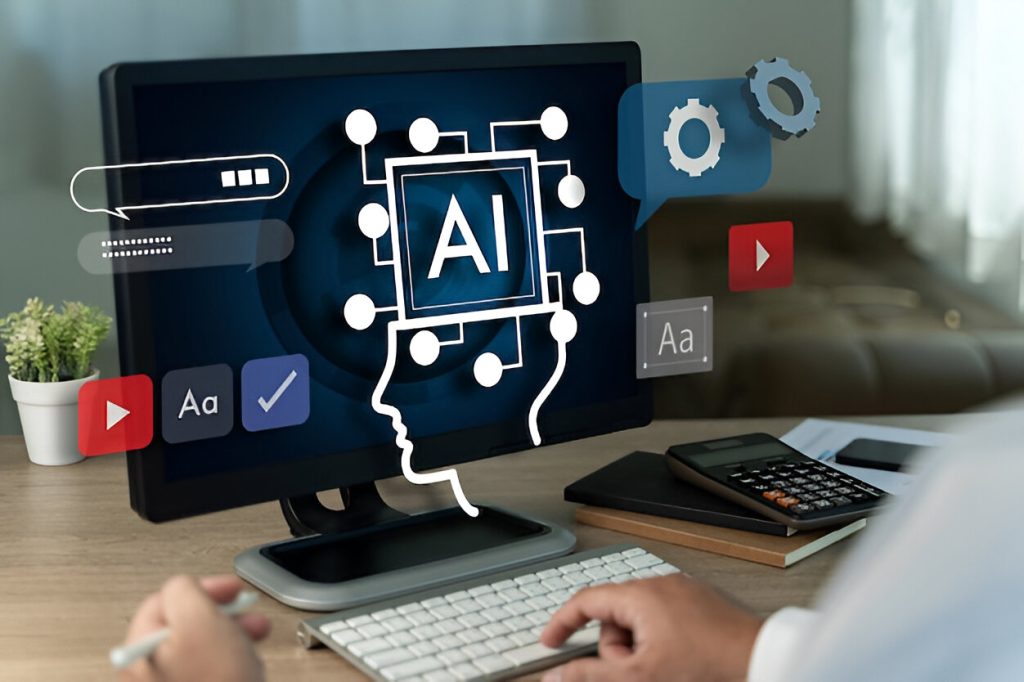
Artificial intelligence is reshaping how websites are built. Tools like Framer, Wix ADI, and Figma’s AI features assist designers in generating layouts, suggesting color palettes, and even writing content. AI personalization also enables websites to adapt dynamically to each visitor’s behavior and preferences.
d. Accessibility and Ethical Design
Modern users demand inclusivity. Web accessibility (WCAG standards) ensures that websites are usable for everyone, including those with disabilities. Ethical design also addresses privacy, transparency, and digital well-being.
e. Sustainable Web Design
The push toward sustainability has reached the digital world. Designers now focus on optimizing code, reducing image sizes, and using green hosting to minimize the environmental footprint of websites.
5. What’s Next for Web Design?
As we move into the future, several emerging trends are set to redefine the digital experience once again.
a. AI and Generative Design
The integration of AI in web design will go far beyond automation. Expect AI to handle complex tasks like real-time content generation, adaptive layouts, and even predictive design — where websites evolve based on user intent.
b. Augmented Reality (AR) and Virtual Reality (VR)
With AR and VR technologies becoming mainstream, especially through WebXR, websites will transform into immersive experiences. E-commerce stores, travel agencies, and educational platforms are already experimenting with 3D and interactive environments that merge the digital and physical worlds.
c. Voice-Activated Interfaces
As voice assistants become ubiquitous, web designers will need to create experiences that go beyond screens. Voice user interfaces (VUIs) will play a significant role in how users navigate, search, and interact with content.
d. Hyper-Personalization
Future websites will deliver unique experiences for each visitor. By analyzing user data and context in real time, they will adapt layouts, recommendations, and visuals to match individual preferences — much like Netflix or Spotify do today.
e. No-Code and Low-Code Platforms
The rise of no-code and low-code development tools will democratize web design. Business owners and marketers without technical skills can now build sophisticated websites with drag-and-drop interfaces — freeing designers to focus on creativity and strategy.
6. The Designer’s Role in a Changing Landscape
Despite automation, the human touch remains irreplaceable. Great design still requires empathy, storytelling, and a deep understanding of human behavior. The future web designer will be a hybrid — blending creativity with data literacy, UX strategy, and an understanding of emerging technologies.
Designers who can balance beauty with performance, innovation with accessibility, and creativity with ethics will shape the next evolution of the web.
Conclusion — Designing for a Smarter, More Human Web
The journey of web design mirrors the evolution of the internet itself — from static pages to intelligent, interactive ecosystems. As we look ahead, one thing is clear: the future of web design isn’t just about technology; it’s about creating experiences that feel human, meaningful, and inclusive.
The web of tomorrow will be smarter, more adaptive, and more connected than ever — and designers will continue to be at the heart of this transformation.