
In today’s fast-paced digital landscape, businesses are constantly looking for ways to build scalable, efficient, and cost-effective websites. One technology gaining traction among developers and business owners alike is serverless architecture. Despite its name, “serverless” doesn’t mean there are no servers—it simply shifts the responsibility of server management to cloud providers. In this blog, we’ll break down what serverless architecture is, how it works, and the key advantages and disadvantages for your business website.
What Is Serverless Architecture?
Serverless architecture is a cloud computing model where developers build and run applications without managing the underlying servers. Instead of provisioning, maintaining, or scaling servers, you rely on a cloud provider (like AWS Lambda, Google Cloud Functions, or Azure Functions) to automatically handle these tasks.
In practical terms, your code runs in functions that are executed in response to specific events—like a website visitor clicking a button, uploading a file, or submitting a form. You pay only for the compute time used, rather than for idle servers.
How Serverless Architecture Works
Here’s a simplified flow of a serverless website:
- User Request: A visitor interacts with your website (e.g., clicks “Submit” on a form).
- Event Trigger: The action triggers a serverless function.
- Function Execution: The cloud provider runs the function, processes the request, and returns a response.
- Scalability: If multiple users interact simultaneously, the cloud provider automatically scales to handle the load.
This model allows businesses to focus on writing code rather than worrying about server infrastructure.
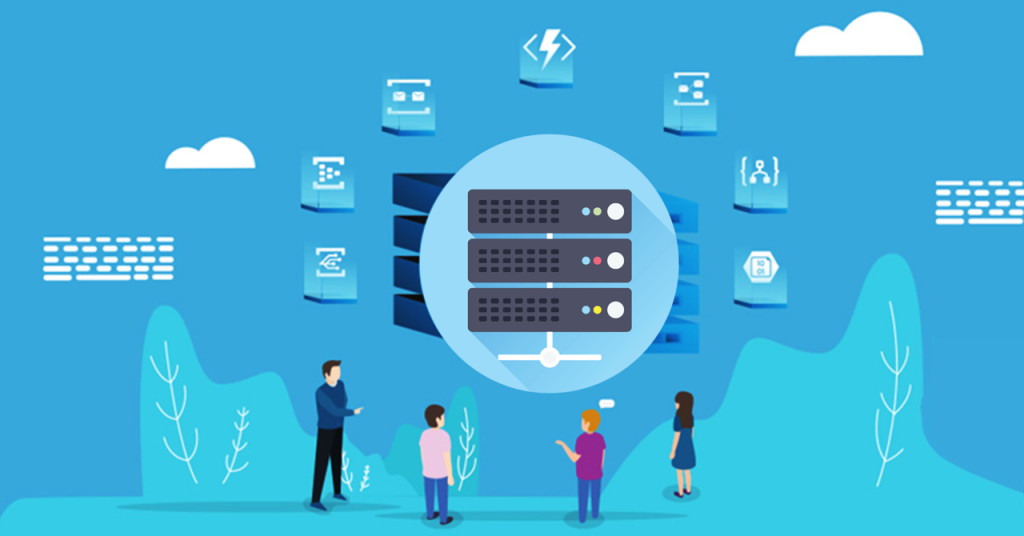
Pros of Serverless Architecture for Business Websites
- Cost Efficiency
Pay only for what you use. Unlike traditional servers, there are no charges for idle time, making it ideal for websites with variable traffic. - Automatic Scaling
Serverless platforms handle traffic spikes automatically, ensuring your website remains fast and responsive even during high demand. - Faster Development
Developers can focus on writing individual functions instead of setting up and managing servers, reducing time to market. - Reduced Maintenance
Cloud providers handle updates, patches, and server monitoring, freeing your team from routine maintenance tasks. - Improved Reliability
Many serverless platforms offer built-in redundancy and high availability, minimizing downtime risks.
Cons of Serverless Architecture
- Cold Start Latency
Functions that haven’t been used recently may take a few seconds to start, which can affect performance for first-time users. - Vendor Lock-In
Serverless functions often depend on specific cloud providers’ tools and infrastructure, making migration difficult if you want to switch providers. - Limited Execution Time
Most serverless functions have a maximum runtime (often a few minutes), which may not suit long-running processes. - Complexity in Debugging
Distributed serverless functions can make troubleshooting and testing more challenging compared to a traditional monolithic server setup. - Potential Security Challenges
While providers handle much of the security, developers need to ensure that functions and APIs are properly secured.
Is Serverless Right for Your Business Website?
Serverless architecture works best for websites or applications that:
- Experience variable or unpredictable traffic
- Need rapid deployment with minimal maintenance
- Can operate with short-lived functions rather than long-running processes
However, for websites with extremely heavy, constant traffic, or complex workflows requiring tight control over the server environment, traditional or container-based architectures may still be preferable.
Conclusion
Serverless architecture is revolutionizing the way modern websites are built and maintained. By reducing overhead, scaling automatically, and allowing you to pay only for what you use, it can save businesses time and money. But like any technology, it has trade-offs, including latency issues, vendor lock-in, and debugging challenges.
For business owners and developers alike, understanding these pros and cons is essential to deciding if serverless is the right approach for your website’s needs.


